
futures trading strategies pdf
Futures contracts are standardized, legally binding agreements to buy or sell an underlying asset at a predetermined price and future date․ Unlike options, both buyer and seller are obligated to complete the transaction, regardless of market price fluctuations, simplifying high-street finance for beginners․
Definition and Obligations of Futures Contracts
Futures contracts represent standardized agreements compelling both parties to either buy or sell an underlying asset at a predetermined price on a specific future date․ The seller is contractually bound to deliver a defined quantity and quality of the asset at a fixed price and time, while the buyer is equally obligated to accept this delivery․ This inherent obligation is a crucial distinction from options, where the buyer possesses a right but no duty to execute the trade․ The market price of the underlying asset at the contract’s expiry holds no bearing on the transaction; the pre-agreed forward price is legally paramount․ Both the seller and buyer commit unequivocally to their respective roles, making futures contracts legally binding for all involved․ For instance, a taxi driver might secure a year’s worth of fuel at a fixed price with a gas station to hedge against future price increases․ In this scenario, the driver, as the buyer, is obligated to purchase, and the gas station, as the seller, is obligated to provide the fuel at the agreed price, irrespective of actual market fluctuations․ This commitment to carry out the transaction at the prefixed forward price on the delivery date is the cornerstone of futures obligations, setting them apart from other financial derivatives․

Hedgers and Speculators: Core Purposes of Trading
Participants in the futures market primarily fall into two distinct categories: hedgers and speculators, each engaging with futures contracts for fundamentally different objectives․ Hedgers utilize futures as a crucial risk management tool, aiming to mitigate potential financial exposures arising from unpredictable asset or commodity price fluctuations․ Typically, these are producers, manufacturers, or businesses, like the taxi driver example, who seek to safeguard their profit margins or input costs by locking in future prices for their core products or raw materials․ Their goal is stability, not profit from price movement;
Conversely, speculators enter futures contracts with the explicit intention of profiting from anticipated price changes․ These capital market traders conduct analysis, such as technical and sentimental assessments, to forecast future price directions․ For instance, a speculator expecting crude oil prices to rise might buy an oil futures contract․ If their prediction is accurate, they profit significantly; however, an incorrect forecast leads to substantial losses․ A key advantage for speculators is the use of leverage, enabling them to control larger quantities of commodities than they could acquire in the spot market, amplifying both potential gains and losses․ While hedgers seek to avoid price volatility, speculators actively embrace it to capitalize on market movements․

Essential Futures Trading Concepts
Understanding fundamental concepts like leverage, margin, and margin calls is vital for futures traders․ Additionally, grasping contract specifications and mechanisms such as rolling over contracts are crucial for navigating the complexities and risks inherent in these markets effectively․
Leverage, Margin, and Margin Calls Explained
Leverage in futures trading allows controlling a larger asset value with a smaller capital outlay, effectively enabling traders to engage with higher quantities of commodities than they might otherwise afford in the spot market․ While this amplifies potential profits, it also significantly increases risk exposure․ To participate, an initial margin is required, representing the minimum amount of money specified by the exchange to enter a contract․ Regulatory bodies also set a customer margin, which considers market risk and the contract’s value, acting essentially as a security deposit․ A crucial aspect of this system is the margin call․ This event occurs when a trader’s available capital falls below the maintenance margin level, typically due to adverse price movements․ The broker then requests additional funds to restore the margin account to its original required amount․ Failing to meet a margin call can result in the automatic closure of positions․ Therefore, understanding these interconnected concepts of leverage, initial margin, and margin calls is paramount for managing financial commitments in the highly leveraged futures market effectively․
Contract Specifications and Rolling Over Mechanisms
Futures contracts are precisely defined by their specifications, detailing the underlying commodity or asset, the month, and the year of contract execution․ For example, specific alphabetic codes denote contract months, with an illustration like CLG21 representing Crude Oil WTI for February 2021․ These contracts possess unique trading hours, settlement rules, and can even carry delivery risk, demanding thorough understanding from traders․ The complexity of these specifications necessitates careful review prior to engagement․ A crucial strategy for managing futures positions is the rolling over mechanism․ This involves closing an existing contract before its expiration and simultaneously initiating a new one with a more distant expiry date at the current market price․ This technique allows investors to extend their exposure to an asset, avoid immediate physical delivery, or mitigate potential losses, as evidenced during the pandemic when oil futures traders rolled over contracts into longer positions to navigate slumping markets and await price recovery․ This flexibility is vital for adapting to changing market conditions․
Types of Futures Contracts Traded
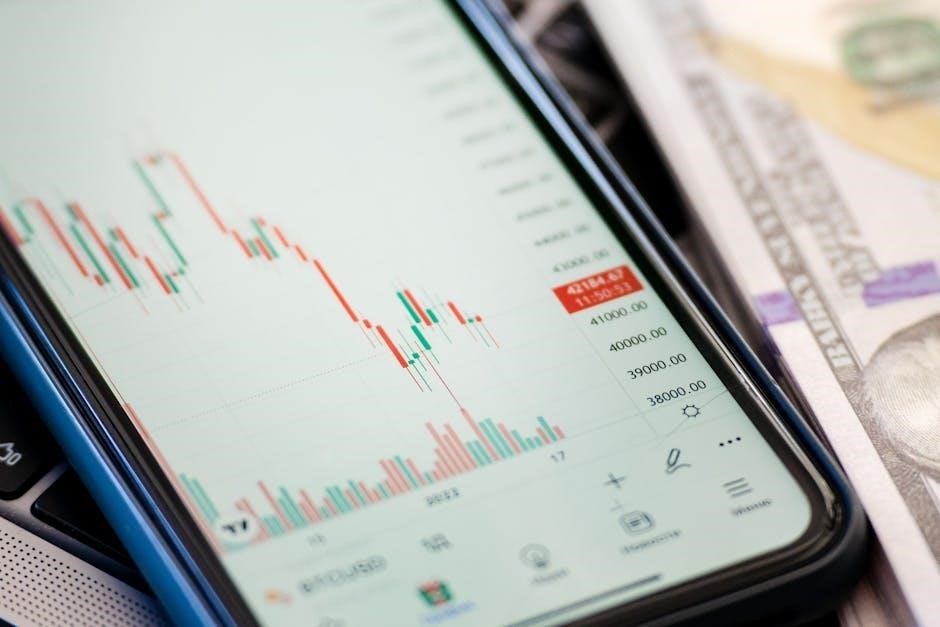
Futures contracts are categorized based on their underlying assets: Financial Futures, involving intangible assets like stocks, rates, currencies, and indexes, and Commodity Futures, which deal with physical assets such as metals, energy, and agriculture, reflecting diverse market opportunities․
Financial Futures: Stocks, Rates, Currencies, Indexes
Financial futures are a critical category of derivatives whose value is tied to intangible assets, offering market participants the ability to hedge or speculate on future price movements; These contracts are crucial for managing financial risk and capitalizing on anticipated shifts in various key economic indicators․
Stocks: Futures contracts on stock indexes, such as the S&P 500 or Nasdaq, enable traders to take positions on the overall market direction without buying individual stocks․ This provides broad market exposure or a means to hedge an existing equity portfolio effectively․
Interest Rates: Interest rate futures are based on debt instruments like Treasury bonds or Eurodollars․ They are widely used by financial institutions and investors to manage exposure to fluctuating interest rates, which can significantly impact borrowing costs and fixed-income investments․
Currencies: Currency futures allow businesses and speculators to lock in an exchange rate for a future date, mitigating foreign exchange risk for international transactions or profiting from anticipated currency value changes․
Indexes: Beyond major stock indexes, financial futures can also track other specialized economic indexes, providing diverse avenues for investment and risk management in the global financial landscape․
Commodity Futures: Metals, Energy, and Agriculture
Commodity futures involve standardized contracts for physical assets, representing primary raw materials essential across stages․ These instruments are broadly categorized into metals, energy, and agriculture, reflecting their diverse economic importance and market dynamics driven by global supply and demand variations․
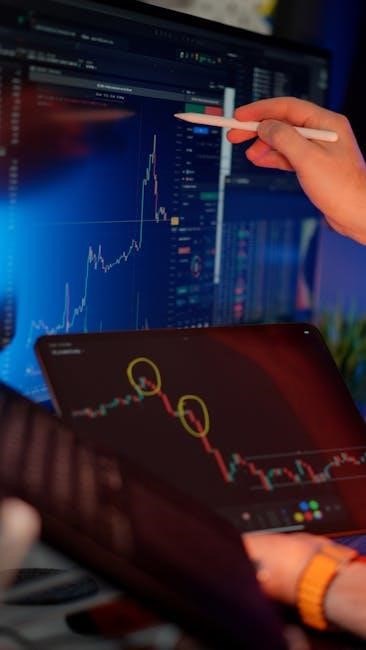
Metals: This category encompasses precious metals like gold, silver, platinum, and industrial metals such as copper․ Traders utilize metal futures to hedge against inflation, speculate on global economic trends, or manage supply costs․ Prices are sensitive to geopolitical events and industrial demand․

Energy: Energy commodities include crucial resources like crude oil, natural gas, heating oil, and gasoline․ These futures are vital for producers and consumers managing significant price volatility․ Airlines might buy crude oil futures to lock in fuel costs, while speculators profit from imbalances․
Agriculture: Agricultural futures cover products like rice, soybeans, wheat, corn, coffee, cocoa, and animal products․ Farmers use these contracts to secure crop prices, mitigating risks from harvest fluctuations and market price swings․ Speculators analyze weather forecasts and crop reports to anticipate price movements; These contracts facilitate both robust risk management and opportunistic trading․
Advanced Futures Trading Strategies
Advanced futures trading strategies encompass sophisticated methodologies․ These include Robert Carver’s comprehensive guide to 30 strategies, algorithmic and electronic solutions, and popular techniques like scalping, breakout, pullback, inter-market analysis, and market timing․
Robert Carver’s Guide to Basic and Advanced Strategies
Robert Carver’s “Advanced Futures Trading Strategies” offers a complete practical guide, meticulously detailing 30 distinct trading strategies for the futures markets․ This extensive resource impressively covers over 100 tradable instruments, demonstrating broad applicability․ Its strength lies in leveraging more than 50 years of historical data, ensuring robust validation and reliability for every methodology presented․ The strategies are suitable for both discretionary and systematic traders, providing versatile approaches for effective market engagement; Carver structures the guide progressively, commencing with the most basic strategies and gradually advancing to more sophisticated techniques․ This methodical progression enables traders to build a solid foundational understanding before mastering complex concepts․ His work offers truly invaluable, data-driven methods to optimize futures trading performance, providing a robust framework for understanding and executing diverse market strategies effectively, serving as a crucial reference for serious traders aiming for enhanced market engagement․
RBC’s Algorithmic and Electronic Trading Solutions
RBC’s Futures Electronic Trading platform offers a leading solution with a comprehensive suite of algorithmic trading strategies tailored for the futures markets․ This robust platform provides traders with sophisticated tools, including various synthetic order types that ensure streamlined and efficient execution of complex trading ideas․ A cornerstone of RBC’s offering is its utilization of low latency market data, which is critical for capturing fleeting opportunities and reacting swiftly to market shifts․ Furthermore, the platform empowers users with customized liquidity profiles, enabling them to tune access and interaction with market depth according to their unique trading styles and capital requirements․ Complementing these features is a sophisticated order routing system, engineered to optimize trade placement and minimize market impact across exchanges․ These integrated capabilities collectively aim to significantly enhance a trader’s ability to achieve their specific trading objectives, providing the precision and control essential for success in today’s electronic futures trading environment․

Popular Methods: Scalping, Breakout, and Pullback
Futures trading strategies offer versatile approaches to capitalize on market movements, with several popular methods widely adopted by traders․ Scalping is a high-frequency strategy focused on making small, frequent profits from minor price fluctuations․ Scalpers enter and exit positions rapidly, often within seconds or minutes, aiming to accumulate gains throughout the trading day․ This method demands extreme discipline, quick reflexes, and robust execution platforms․ Breakout strategies involve identifying significant price levels of support or resistance․ Traders using this method look to enter a position when the price decisively moves beyond these established levels, anticipating that the momentum will continue in the direction of the breakout․ Pullback strategies, conversely, involve entering a trade after a temporary, short-term retracement against the prevailing trend․ This allows traders to join an established trend at a more advantageous price point, often after the market has momentarily corrected itself․ To achieve precise executions, these methods frequently utilize advanced technical analysis tools․ Oscillators, such as the Relative Strength Index (RSI) or Stochastic Oscillator, help in identifying overbought or oversold conditions․ Moving averages, like the Simple Moving Average (SMA) or Exponential Moving Average (EMA), assist in confirming trend direction and dynamic support/resistance levels, providing critical insights for timely entry and exit decisions in the dynamic futures markets․
Inter-Market Analysis and Market Timing Strategies
Inter-market analysis involves examining the relationships between different financial markets to gain insights into potential movements in futures contracts․ This approach recognizes that various markets, such as stocks, bonds, commodities, and currencies, are deeply interconnected and influence each other․ Understanding these correlations allows traders to make more informed decisions about future price directions․ For instance, a strong dollar might depress commodity prices, or rising bond yields could signal a shift in equity market sentiment, impacting index futures․ Wayne Walker’s guide emphasizes exploiting inter-market analysis for making low-risk, high-reward trades effectively․
Market timing strategies, discussed extensively, focus on judiciously selecting when to buy or sell an asset to significantly improve overall trading performance․ The basic tenet is that performance can be enhanced by precisely choosing entry and exit points․ This involves analyzing economic indicators, fundamental data, and technical patterns to predict optimal market actions․ Utilizing tools like Dow, S&P, and Nasdaq futures outside normal market hours can assist in building a robust investing action plan․ These futures provide crucial information for market timing, illustrating how they are integral to comprehensive inter-market and strategic timing approaches for profit optimization․

Key Risks in Futures Trading
Futures trading involves considerable risks․ Leverage can cause rapid, significant losses, potentially exceeding initial investments․ Contract complexity, varied specifications, and delivery risks demand diligent management from traders to avoid substantial financial detriment․

Managing Leverage Risk and Potential for Significant Losses
Futures trading, while offering profit opportunities, inherently carries substantial risks, primarily due to the significant leverage involved․ Leverage allows traders to control large contract values with a relatively small amount of capital, known as margin․ While this amplifies potential gains, it equally magnifies potential losses․ Traders must understand that a futures position can lose money rapidly if market movements are incorrectly predicted, leading to outcomes where losses exceed the initial investment․ This inherent characteristic means futures contracts can be incredibly volatile, demanding a robust approach to risk management․
A critical aspect of managing this risk involves comprehending margin requirements and the implications of a margin call․ When a trader’s original margin erodes due to adverse market movements, a broker will issue a margin call, demanding additional capital to restore the account to the required level․ Failure to meet a margin call can result in forced liquidation of positions, locking in losses․ Therefore, understanding contract specifications, monitoring market conditions closely, and employing disciplined position sizing are crucial․ Investors should never trade with capital they cannot afford to lose, as the complexity and leveraged nature of futures contracts present a constant potential for significant financial detriment․ Proper analysis is paramount before engaging in such high-stakes trading․